
Belgrade Metro Phase 1: Property Value Impact

Stop laughing at the Belgrade Metro. Phase 1 is already being built. The bulldozers are actively on the ground, and while you are busy making jokes on social media, smart money is quietly buying up absolutely everything within a 10-minute walk of Line 1. By the time the first train actually rolls down the tracks, you will be permanently priced out of these neighborhoods.
Riding the Transit Premium
This isn't speculation; it is historical economic fact. In every major European transit expansion, residential property values located near a newly opened metro station spike by 15% to 25% the exact moment the line becomes operational. Belgrade is currently entering the most volatile phase of this pre-completion price surge. If you aren't actively positioning your portfolio along the Makiš-to-Mirijevo corridor right now, you are leaving an absolute fortune on the table.
Where to Invest: The Real Estate Hotspots of Belgrade Metro Phase 1
The smart money isn't chasing nominal prestige; it is chasing yield. While retail investors are busy overpaying for stagnant yields in Stari Grad, institutional players are tracking the literal path of the tunnel boring machines. Phase 1 isn’t just a transit line - it is a wealth redistribution vehicle for Belgrade real estate. By connecting high-density residential hubs directly to the economic engine of the city, it instantly transforms undervalued, suburban pockets into prime commuter territory overnight.
The amateur play is trying to buy in the center of the city or established luxury zones where the transit convenience is already baked into the exorbitant price per square meter. If you want true, exponential equity growth, you target the ends of the line where prices are still low. Look at Mirijevo and Karaburma.
These historically cut-off, traffic-choked neighborhoods are getting a direct, high-speed artery straight into the urban core. Developers already know this, which is why older suburban houses are being demolished daily to make way for massive new multi-family projects that qualify for lucrative first-time buyer tax refunds outlined in our VAT refund guide.
EXPO 2027 as a business opportunity
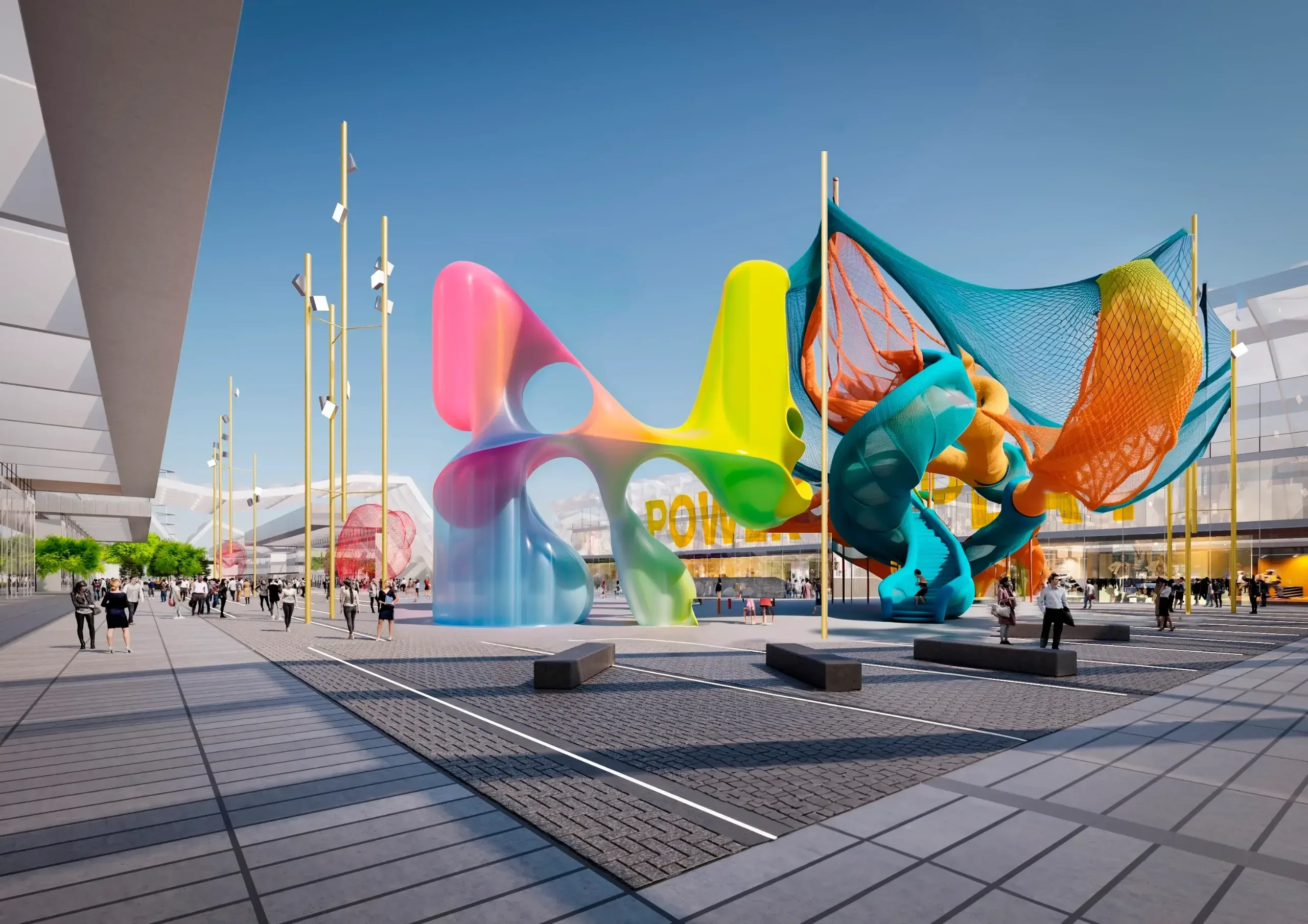
And then we come to another topic around which Belgrade is currently split into two camps: EXPO 2027.
You can be for EXPO. You can be against EXPO. You can think it is a historic opportunity for Belgrade, or that the entire project is overrated. You can support it, criticize it, or simply be completely indifferent toward it. That is your right and your opinion.
But if you are a businessperson, there is one question that should be more important than whether you personally like the project:
How will you leverage the situation in front of you?
Because the market doesn't necessarily reward those who were right in a political or social debate. The market rewards those who correctly recognized where money, people, infrastructure, and demand will shift—and positioned themselves before it became obvious to everyone.
You don't have to be "for" EXPO. That's not the point.
If you think the project is bad, fine. If you think it will bring more problems than benefits, that is also a legitimate position. But even then, you have to ask yourself a business question: what happens if the project gets realized anyway?
Because if it gets realized, infrastructure will be built there. People will go there. Commercial spaces, hotels, restaurants, logistics facilities, and apartments will open there. Traffic flow will shift. Demand will shift. Capital will move. Belgrade will expand to the other side.
And it is precisely within these changes that business opportunities are created.
The biggest mistake you can make is allowing your personal opinion on EXPO to become the reason you ignore the economic consequences it can produce.
You don't have to root for the team to understand where ticket sales will happen.
The same rule applies to the metro, new roads, business zones, and all other major infrastructure projects. An investor doesn't have to love the project. They have to understand what the project changes.
That is the difference between a commentator and a businessperson.
The commentator asks: "Is this good or bad?"
The businessperson asks: "If this happens, what changes, and where is the opportunity?"
That is why EXPO 2027 should neither be blindly glorified nor automatically dismissed. View it as what it is: a major shift that, regardless of your stance on it, will produce market consequences.
And when the market shifts, money isn't created only where everyone is looking. It is created a few steps ahead of the crowd.
Don't buy the hype. Buy the position.
In the end, the whole story isn't about the metro, EXPO, any specific municipality, or whether square-meter prices will go up by 10, 20, or 30 percent next year.
The point is much simpler.
The city is changing. Capital follows those changes. And the biggest opportunities rarely arise when the change is already complete, but while most people are still debating whether it will happen at all.
You can be skeptical about EXPO. You can believe in the metro or think its construction will take too long. You can consider certain parts of Belgrade already overpriced. Those are all valid opinions.
But as an investor, you cannot afford to let your personal opinion be the only filter through which you view the market.
You don't have to like change to profit from it. You just need to understand it.
If new infrastructure is being built, ask what it will change. If a new business zone is opening, ask who will work there and where those people will live. If new roads and public transit lines are being added, ask which neighborhoods suddenly become more accessible. If a major international event is coming, ask which industries will benefit from the increased demand, not just real estate.
That is the mindset that separates an investor from a bystander.
Because an investment opportunity isn't always an apartment.
Sometimes it is retail space, land, commercial property, a building plot, a service, logistics, hospitality, or a completely new business that doesn't even exist today. Sometimes the best decision is actually not to buy anything and wait for a better opportunity.
So don't buy blindly just because someone says "the metro is coming" or "EXPO is right around the corner." Buy only when you understand why you are buying something, what could change its value, and how much you are willing to pay for that potential.
Belgrade will change regardless. The question isn't whether it will change.
The question is:
Will you watch the change from the sidelines, or will you understand it early enough to make a smart move?
More from Novi Kvadrat Editorial

High Speed Rail and Property Values: Top Growth Zones
The construction of modern transit hubs, expressways, and high-speed rail lines is fundamentally reshaping real estate market dynamics. Data tracking transit infrastructure confirms that high speed rail and property values move in tandem, converting formerly remote suburban pockets into highly sought-after residential and investment hotspots. Discover which micro-locations experience the steepest capital appreciation and how to invest strategically before infrastructure projects complete.

Micro-Location Real Estate: Why Street Prices Differ
Two apartments on the same street, with identical floor plans and square footage, can vary in price per square meter by up to 30%. Thorough analysis proves that micro-location real estate dynamics dictate this pricing gap. From floor level and traffic noise to sunlight exposure, views, and parking accessibility, hidden micro-environmental factors directly influence daily living comfort and long-term asset liquidity.
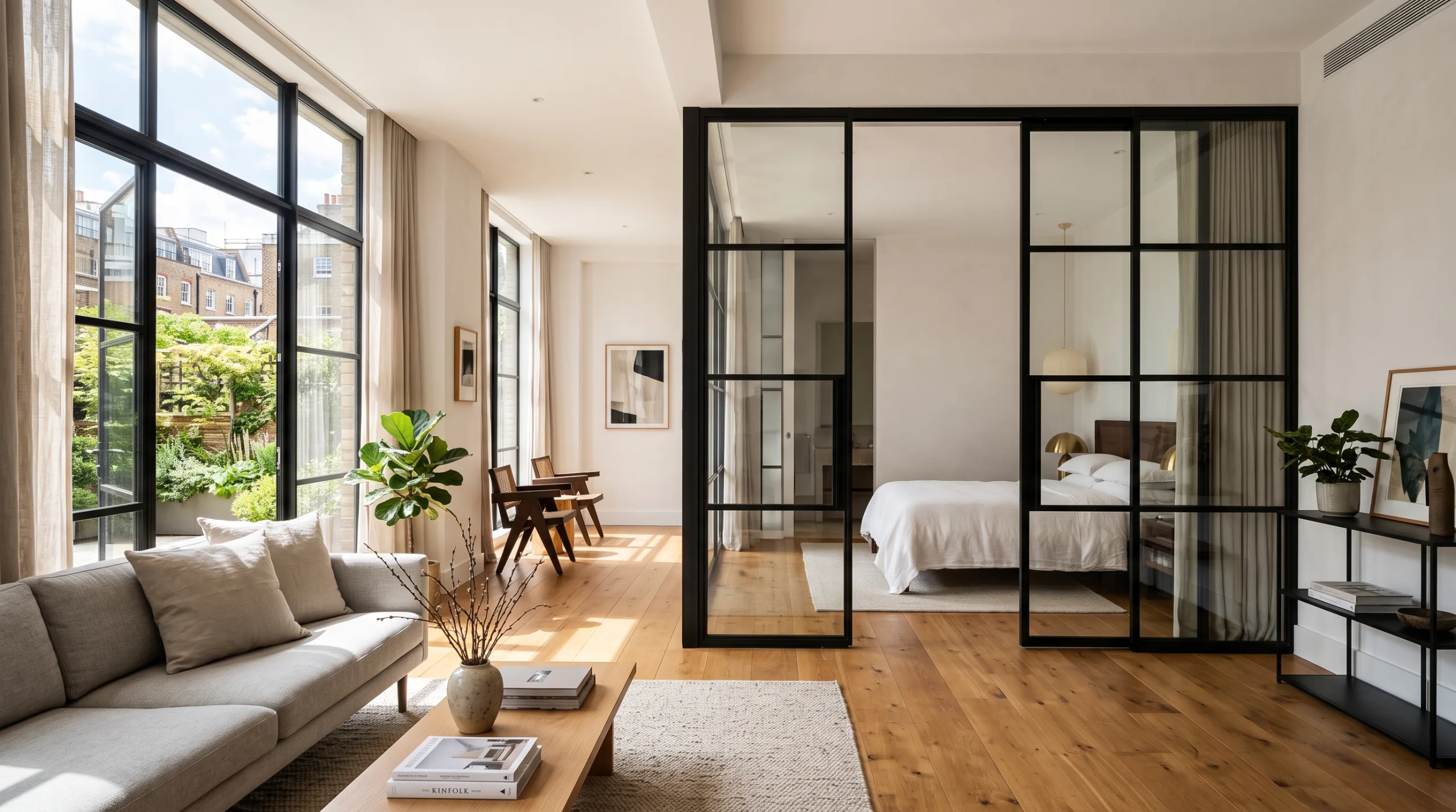
Creating an Additional Room: Smart Layout Guide 2026
A growing family, the need for a home office, or a simple desire for more privacy frequently raises a crucial question: how to gain new space without purchasing a larger property? The solution lies in creating an additional room through smart floor plan organization and minimal investment. From using light glass partitions and multi-purpose furniture to terrace adaptation, we reveal creative methods that will transform your home.